
Abortion in the History of the Slovenian Territory
Introduction
The topic of abortion in the history of the Slovenian territory opens an important yet poorly documented aspect of everyday life. Official church and legal sources mainly speak about prohibitions and moral norms, and only rarely about actual practice. This is why handwritten manuals of folk medicine, the so-called padarske bukve, are especially valuable, as they offer a direct insight into the solutions people turned to in times of distress.
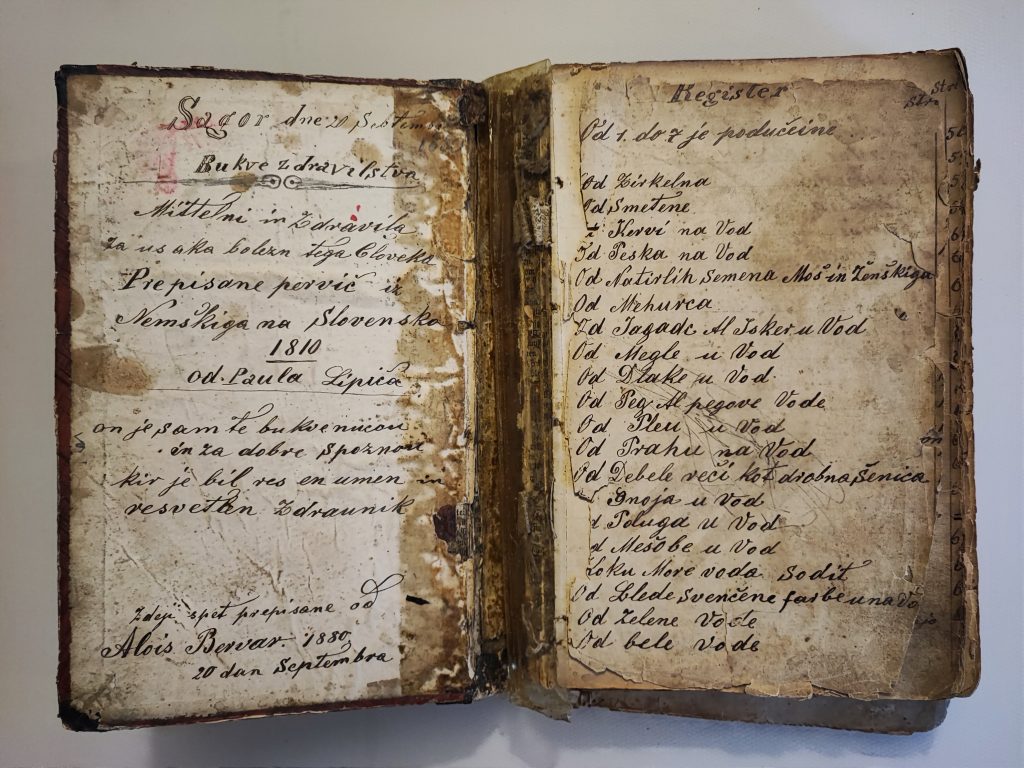
One such source is Bukve zdravilstva, copied in 1880 by Alojz Brvar based on earlier writings by Pavle Lipič from around 1810. This manuscript belongs to the broader tradition of folk healing in the Slovenian lands and represents practical knowledge that circulated among the population.
In the following, we first present a specific entry from this source and then place it within a broader historical context.
Historical Record: "Mertu Porod Von Spraut – Pred Kurbam tou Skriveji kar Moreš"
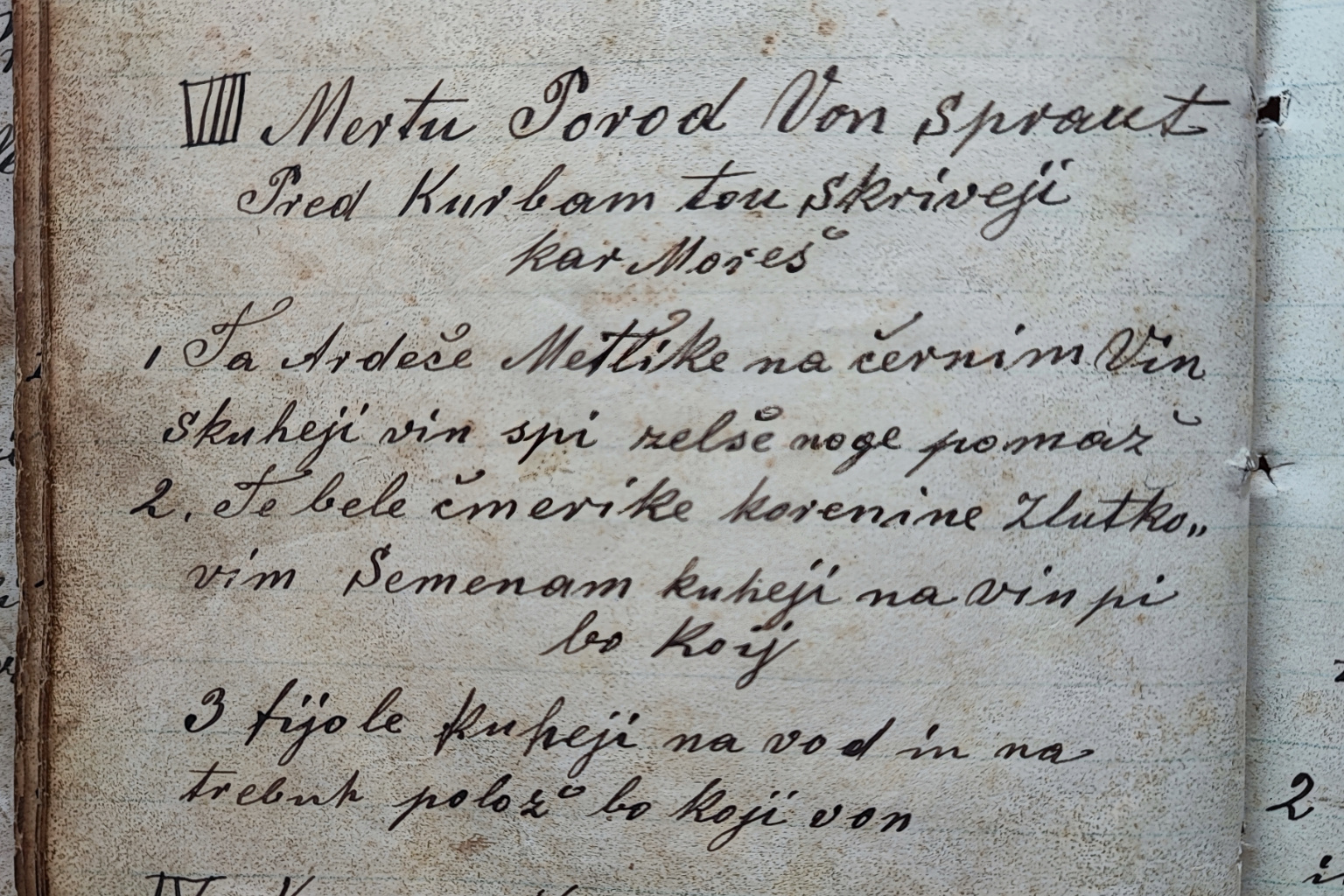
The entry on page 75 presents three methods for terminating a pregnancy. The text is concise and practical, without moral explanations, focused solely on effectiveness.
The first method involves red goosefoot, which is to be boiled in dark wine and the liquid consumed. The remaining herbs are not discarded but applied externally by rubbing them on the legs. This combination of internal and external use is typical of folk medicine and reflects the belief that effectiveness can be enhanced through multiple forms of application.
The second method includes much stronger ingredients. Roots of white hellebore (Veratrum album), a highly poisonous plant, are boiled in wine together with seeds referred to as “lutkova.” The identity of these seeds is unclear. They most likely represent a folk name for a plant or a term that can no longer be reliably interpreted due to changes in language and script. The prepared liquid is to be consumed, and the text emphasizes an immediate effect.
The third method is simpler in composition but also described as effective. A substance called “fijole” is boiled in water and then applied to the abdomen as a warm compress. The text again claims a rapid effect. The exact meaning of “fijole” remains uncertain; it may refer to a local plant name or a term that is no longer identifiable, and therefore should not be interpreted without additional sources.
Particularly notable is the title itself, which includes a warning that this knowledge should be kept hidden from prostitutes. This suggests that such knowledge was not considered universally accessible and that its circulation was controlled. It raises questions about who had access to such practices and reflects broader social tensions, especially regarding women on the margins of society.
The record thus does not appear as an isolated case, but rather as a reflection of a practice that, although hidden, was evidently widespread enough to be included in handwritten manuals of folk medicine.
Abortion in a Broader Historical Context
Throughout the history of the Slovenian territory, as elsewhere in Central Europe, abortion was surrounded by silence, fear, and moral condemnation. Despite the strong influence of the Roman Catholic Church and strict legal frameworks, historical evidence shows that the practice never disappeared. Instead, it continued in secrecy, often as the only option available to women in distress.
For centuries, the Slovenian lands were part of the Habsburg Monarchy, where Roman law, church doctrine, and folk practices intersected. This combination allows us, even with limited direct sources, to reconstruct a broader picture of how women attempted to control fertility, who assisted them, and what risks they faced.
In the Middle Ages, attitudes toward abortion were not uniform. Early Christian thought held that the fetus became a living being only when the mother first felt movement, a concept known as ensoulment. This position was formalized by Pope Innocent III in the 13th century. Before this stage, abortion was considered a sin, but not equivalent to murder.
Over time, the position became stricter. In 1588, Pope Sixtus V introduced severe criminalization of abortion, which gradually developed into a complete prohibition within Catholic doctrine, confirmed in 1869.
At the level of the state, such practices were also punishable. Within the Habsburg legal system, and later in the Kingdom of Serbs, Croats and Slovenes, abortion was defined as a criminal offense. Both the woman and the person performing the procedure could be punished. However, these prohibitions did not eliminate the need, but rather pushed abortion into illegality.
Methods of Pregnancy Termination
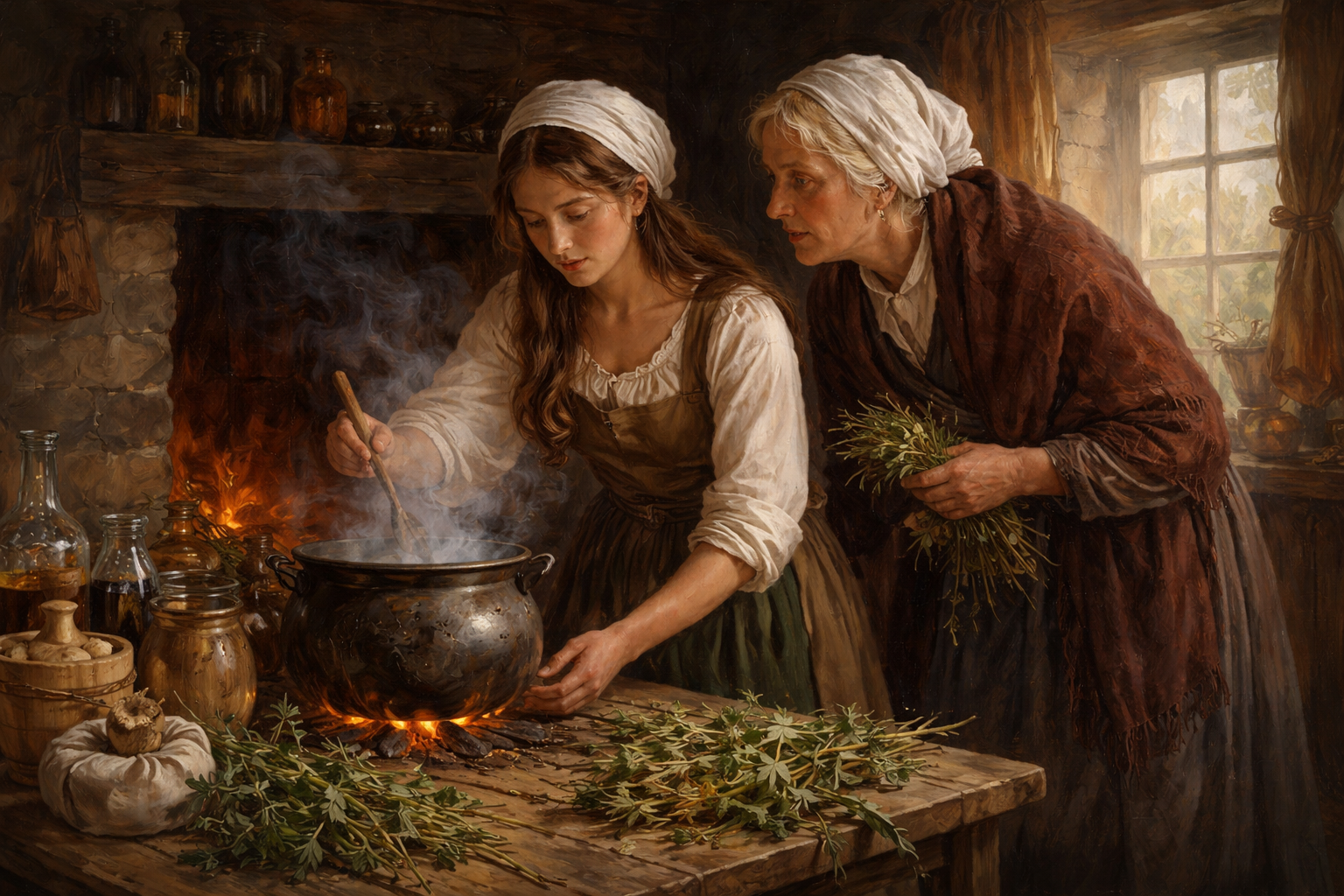
Historical sources from Central Europe, and indirectly from the Slovenian territory, mention the use of plants such as hellebore (Helleborus), white hellebore (Veratrum album), dictamnus (Dictamnus albus), and juniper. These plants could induce contractions but were often highly toxic and potentially fatal.
In addition to herbal methods, mechanical approaches were also used, including pressure on the abdomen, insertion of objects into the uterus, and extreme physical exertion. These methods were highly dangerous and frequently resulted in death.
Abortions were typically not performed by trained physicians, but by folk healers, midwives, or experienced women. Their knowledge was based on practice rather than formal medical training.
Social Response and the Position of Women
Abortion was not only a medical issue, but above all a moral and social one. The influence of the Roman Catholic Church was significant. It regarded abortion as a grave sin, and later as equivalent to murder. Women who underwent abortion could face penance, social stigma, and in severe cases even excommunication. Social pressure was particularly strong in rural communities, where social ties were close and surveillance was constant.
Clear differences existed between social classes. Wealthier women had better access to discreet assistance, greater privacy, and higher chances of survival. Poorer women often resorted to performing abortions themselves, risking death or infertility, and were more exposed to social stigma.
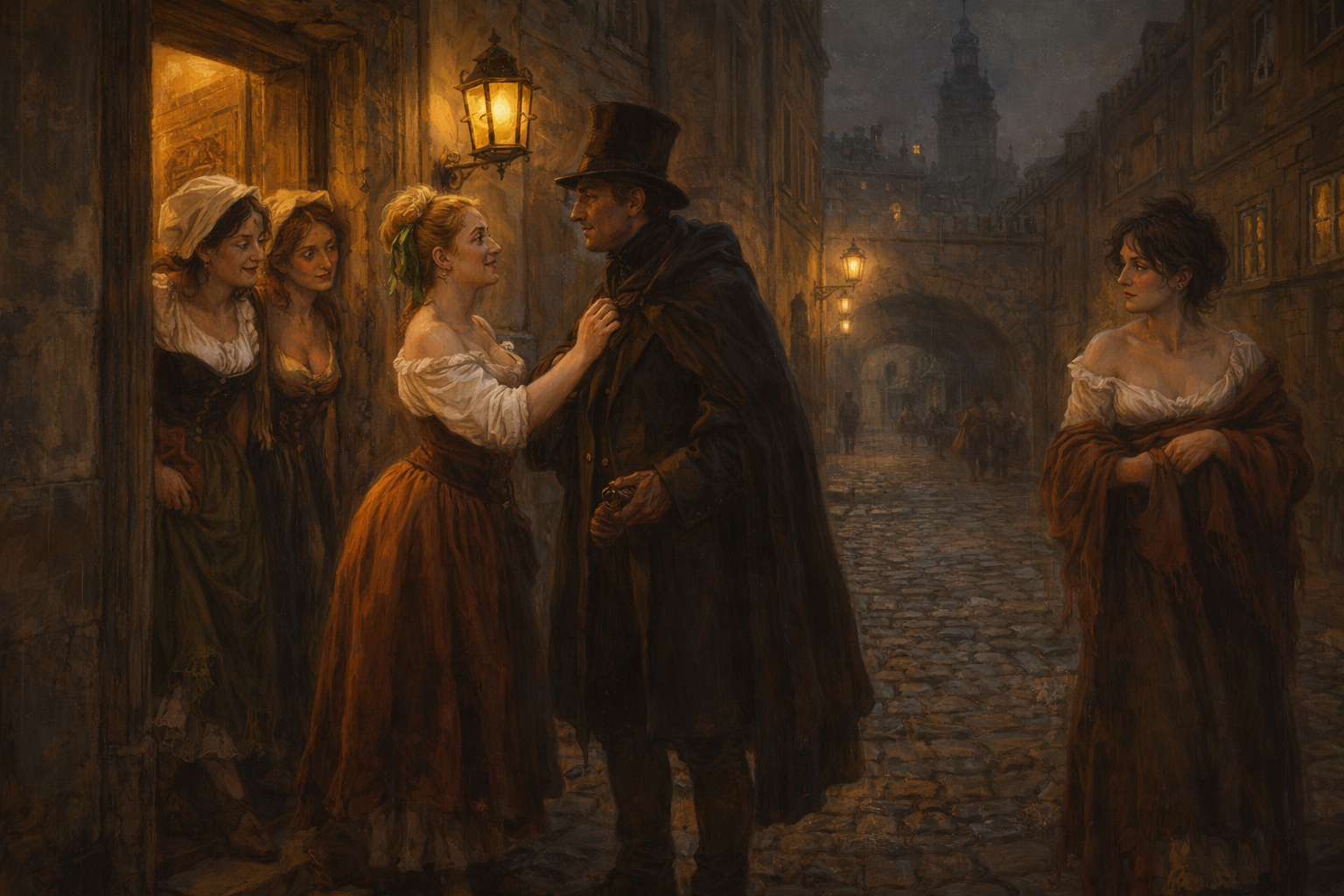
Unwanted pregnancies were particularly common among prostitutes. In their case, abortion was often part of survival. Society tended to condemn them while at the same time ignoring their actual living conditions.
Conclusion
The history of abortion in the Slovenian territory primarily reveals a reality that existed beyond official rules. Despite prohibitions and moral condemnation, women sought ways to cope with unwanted pregnancies.
This is why records from padarske bukve are so valuable. They do not represent ideology, but rather responses to real-life situations. They provide insight into practices that were hidden yet evidently widespread, helping us understand the complexity of decisions women faced in the past.