
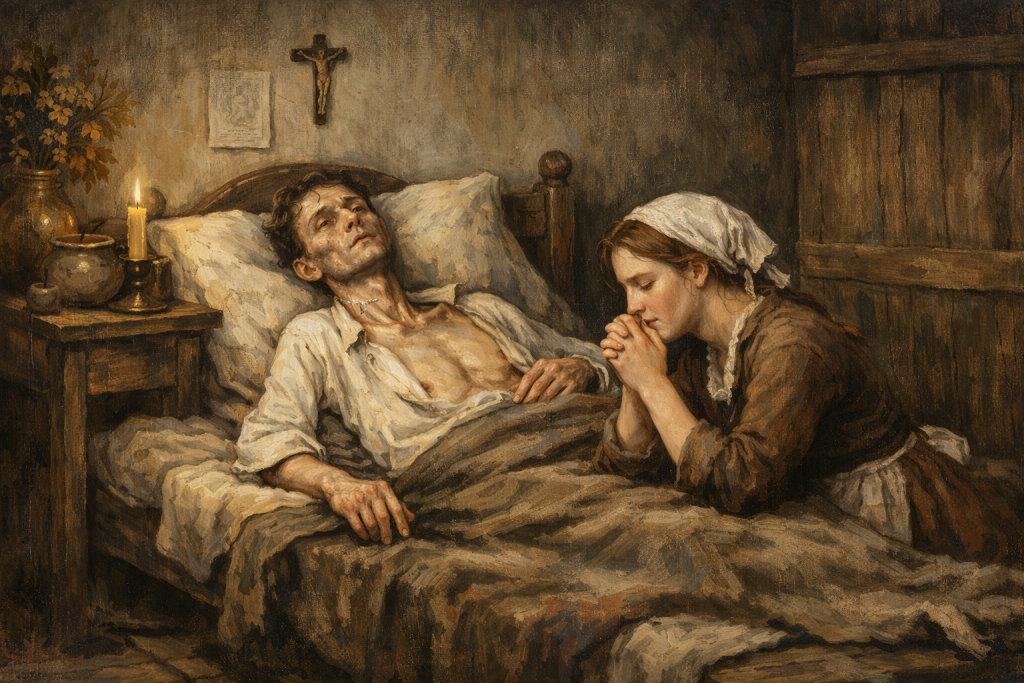
Tuberculosis Between Folk Healing and Modern Medicine
Tuberculosis, once known in the Slovene lands as jetika, sušica or the “white plague,” was one of the most widespread infectious diseases in the territory of present-day Slovenia. In German-language records it appears as Lungensucht, Schwindsucht, Brustschwäche, Auszehrung or Abzehrung, while Latin sources use terms such as phthisis, phthisis pulmonalis or tuberculosis pulmonum. The variety of names reflects both the multilingual environment of Central Europe and the gradual development of medical understanding.
What Tuberculosis Was and How It Progressed
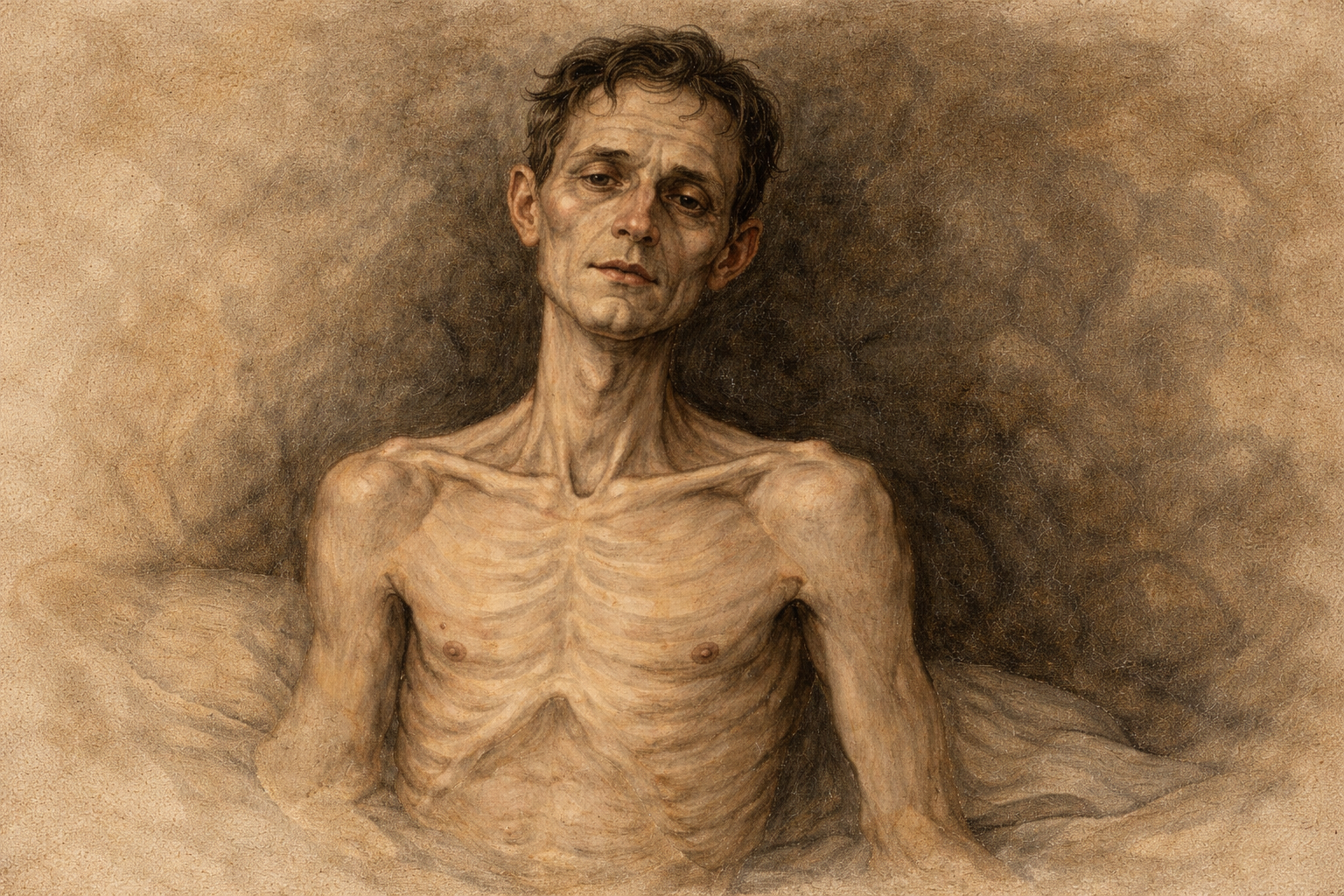
Tuberculosis is an infectious disease caused by the bacterium Mycobacterium tuberculosis. It most commonly affects the lungs. In the nineteenth century its course was typically slow and prolonged: the patient suffered from persistent coughing, progressive weight loss, exhaustion, fever and night sweats. In advanced stages, coughing up blood could occur. Death often resulted from extreme physical wasting or severe pulmonary complications.
Because of this gradual decline, historical terminology emphasized emaciation and weakening. Words such as sušica, jetika, Schwindsucht and Auszehrung all point to the visible wasting of the body. The Slovene term jetika derives from an older verb meaning “to waste away” or “to wither.” The disease was particularly common among young adults and socially vulnerable groups, where poor housing, malnutrition and hard physical labor facilitated both transmission and progression.
Tuberculosis spreads through the air. A person with active pulmonary tuberculosis releases bacteria when coughing or speaking, which can then be inhaled by others. Prolonged stays in closed, poorly ventilated rooms significantly increased the risk of infection, and the disease often spread within the same household.
Tuberculosis in Central Europe and the Slovene Lands
Although tuberculosis has existed for centuries, it became especially widespread in the nineteenth century, in the context of urbanization and early industrialization. Overcrowded housing, inadequate hygiene and poverty created favorable conditions for its spread. In the Slovene lands, mortality increased markedly in the second half of the nineteenth century and reached its peak around the turn of the twentieth century. For decades, tuberculosis was one of the leading causes of death among young adults.
Entries in Death Registers
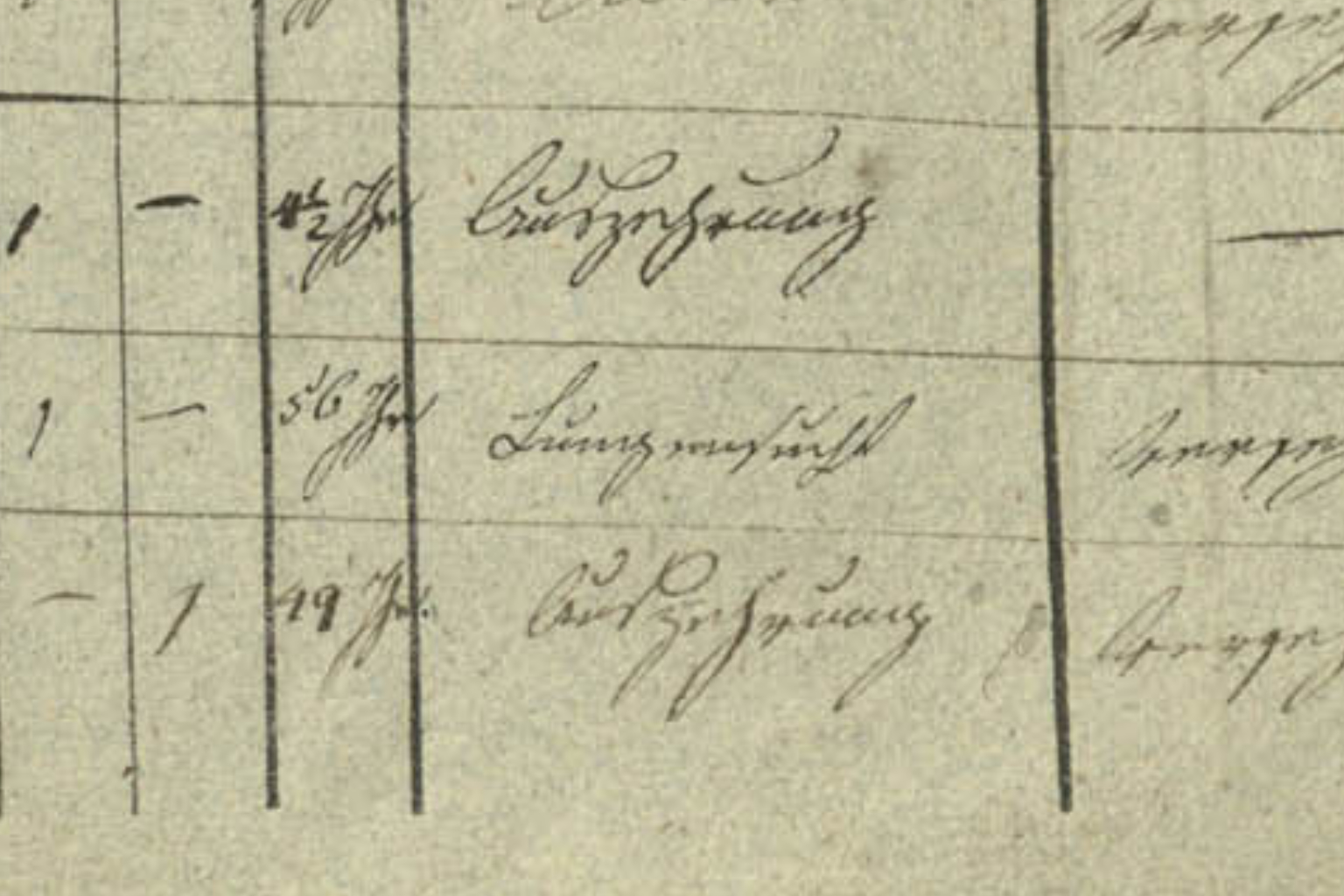
For genealogical research, tuberculosis is most often identified through the diverse terminology found in parish and civil death registers. In many cases, the cause of death was recorded not by a physician but by a parish priest or local official. As a result, the same disease appears under different names.
In Slovene records: jetika, sušica, pljučna sušica, bela kuga.
In German records: Lungensucht, Schwindsucht, Brustschwäche, Auszehrung, Abzehrung.
In Latin records: phthisis, phthisis pulmonalis, tuberculosis, consumptio.
Terms such as Auszehrung or Abzehrung literally mean “wasting” and do not always represent a precise medical diagnosis. They often describe the visible end stage of illness rather than a clearly defined pathological entity. Interpreting such entries therefore requires contextual reading, including age, repeated patterns within a family, and the broader social environment.
Folk Healing and the “Padarske Bukve”
Before tuberculosis was scientifically explained, it was understood primarily as a condition of internal weakness or bodily corruption. Folk healers, known as padarji, played an important role in rural communities. A distinctive feature of their practice were handwritten manuals known as padarske bukve — practical healing books containing herbal recipes and instructions for caring for the sick.
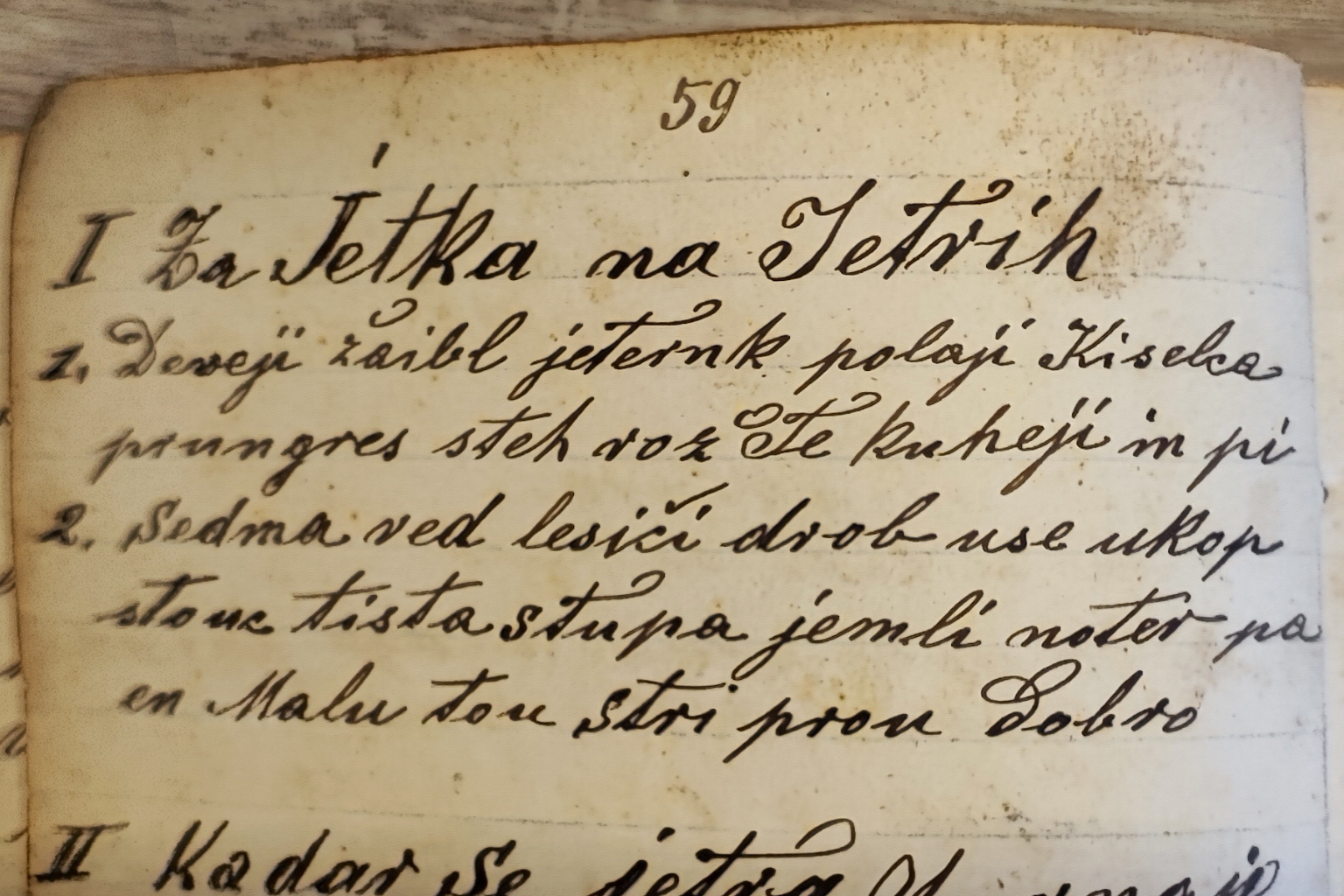
One of the most influential manuscripts, “Bukve zdravilstva”, was originally compiled around 1810 by Pavle Lipič from Bodovlje near Škofja Loka. His work circulated widely in handwritten copies across Gorenjska, Rovte and Žiri. The manuscript that inspired this blog is a copy made in 1880 by Alojz Brvar from Toplice near Zagorje, transcribed from the original 1810 text. Such copies were part of a broader tradition in which villagers reproduced earlier manuscripts for personal use. These books formed a written backbone of folk healing at a time when official medical literature was inaccessible to most rural people.
On page 59 of this manuscript appears a chapter titled “Za Jetika na Jetrih” (“For Jetika in the Liver”). The author proposes two methods of treatment. The first recommends gathering leaves of sage, hepatica and sorrel; these herbs were to be boiled into a decoction and consumed as a drink. This reflects a typical herbal approach aimed at strengthening and cleansing the body.
The second method is more difficult to interpret, as it is written in early nineteenth-century dialect. It describes an ointment applied externally to the area of the liver. A paste made from “lesiči drob” is mentioned — a term that is no longer easily understood. Such instructions reveal that the disease was often associated with the liver or internal organs in general, rather than clearly identified as a pulmonary infection.
From Sanatoria to Antibiotics
By the late nineteenth century, tuberculosis was scientifically identified as a bacterial disease. Nevertheless, effective treatment remained unavailable for decades. Therapy relied on rest, nutritious food and exposure to fresh air, often in specialized sanatoria. Only in the twentieth century, with the introduction of antibiotics, did tuberculosis gradually lose its position as one of the most feared diseases in Europe.
Tuberculosis thus represents not only a medical condition but also a significant chapter in the social and family history of the Slovene lands. Its presence in death registers and folk healing manuals offers valuable insight into how earlier generations understood illness and sought remedies within the limits of their knowledge and resources.