Walking Into the Family Story: An Ancestral Tour Through Dob and Naklo
One of the most rewarding moments in genealogy is when research leaves the archive and becomes something tangible. Documents, maps, photographs, and family stories suddenly gain a physical dimension when descendants stand in the very places where their ancestors once lived.
This spring, I had the pleasure of guiding Pam Cesen on an ancestral tour through central Slovenia. Together, we explored villages connected to the Česen, Nemec, Urankar, and Poličar families, visiting locations in Dob near Domžale, Naklo, and Polica. While every ancestral tour is unique, this journey included several particularly memorable discoveries that perfectly illustrate why walking in the footsteps of one’s ancestors can be such a powerful experience.
Meeting Family Across Generations
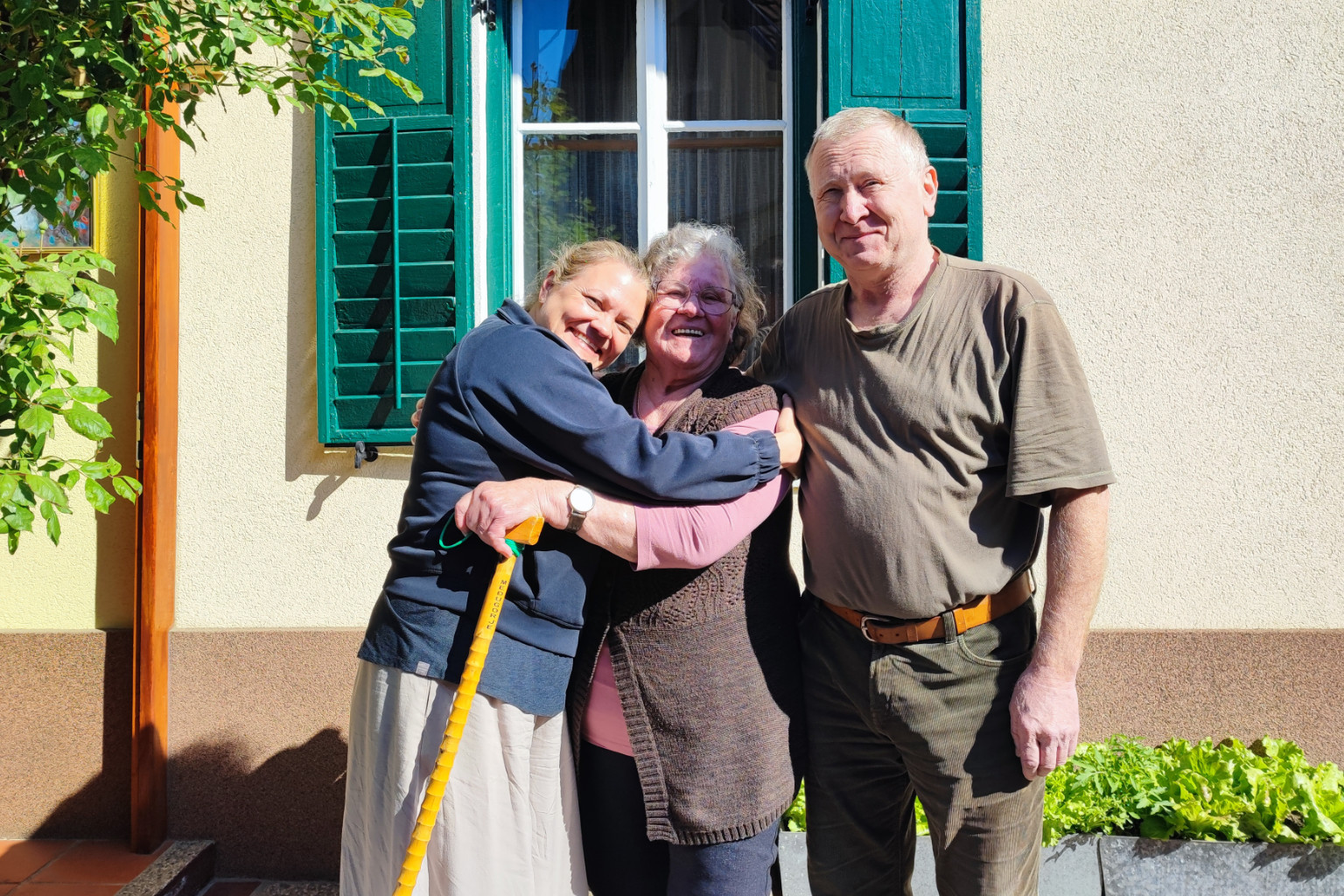
One of the most emotional moments of the ancestral tour was meeting relatives who still live at the homestead connected to Pam's great-grandmother.
One of the highlights of the tour was a visit to the homestead associated with Pam’s great-grandmother, Marija Nemec.
What made this stop especially meaningful was not simply finding the location, but the fact that descendants of the same family still live there today. The visit turned into a warm and emotional reunion, connecting relatives separated by an ocean and generations of history.
For many descendants of Slovenian emigrants, these encounters become some of the most treasured moments of an ancestral tour. Family history suddenly becomes more than names on a chart—it becomes a living connection between past and present.
Identifying a Home Known Only from Old Photographs
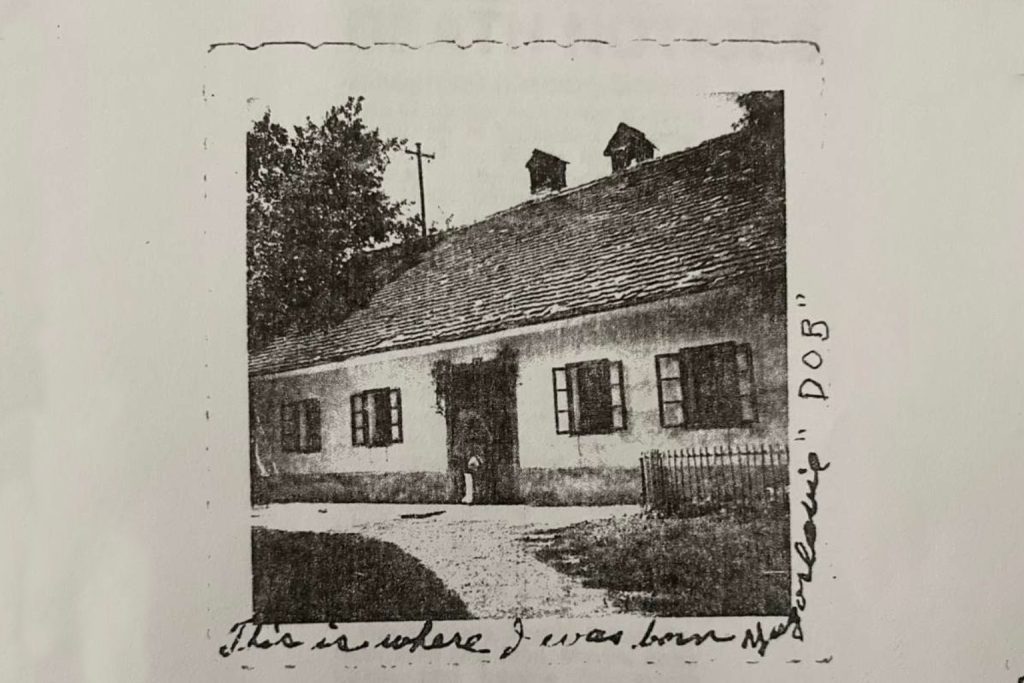
This ancestral homestead was known only from an old family photograph until its location was successfully identified during an ancestral tour in Slovenia.
Another remarkable moment came from a long-standing genealogical puzzle. Before the tour, the family possessed old photographs believed to depict an ancestral home. However, the exact location of the building had remained uncertain for many years.
Through local knowledge, historical research, and conversations with residents, we were able to confirm that the house shown in the photographs still exists and identify its location with confidence. Standing in front of a building previously known only through family photographs created a powerful bridge between memory and reality.
These moments are often among the most satisfying parts of genealogy: transforming a family story or anonymous photograph into a real place that can be visited and understood within its historical landscape.
A Farewell Visit to a Vanishing Piece of History
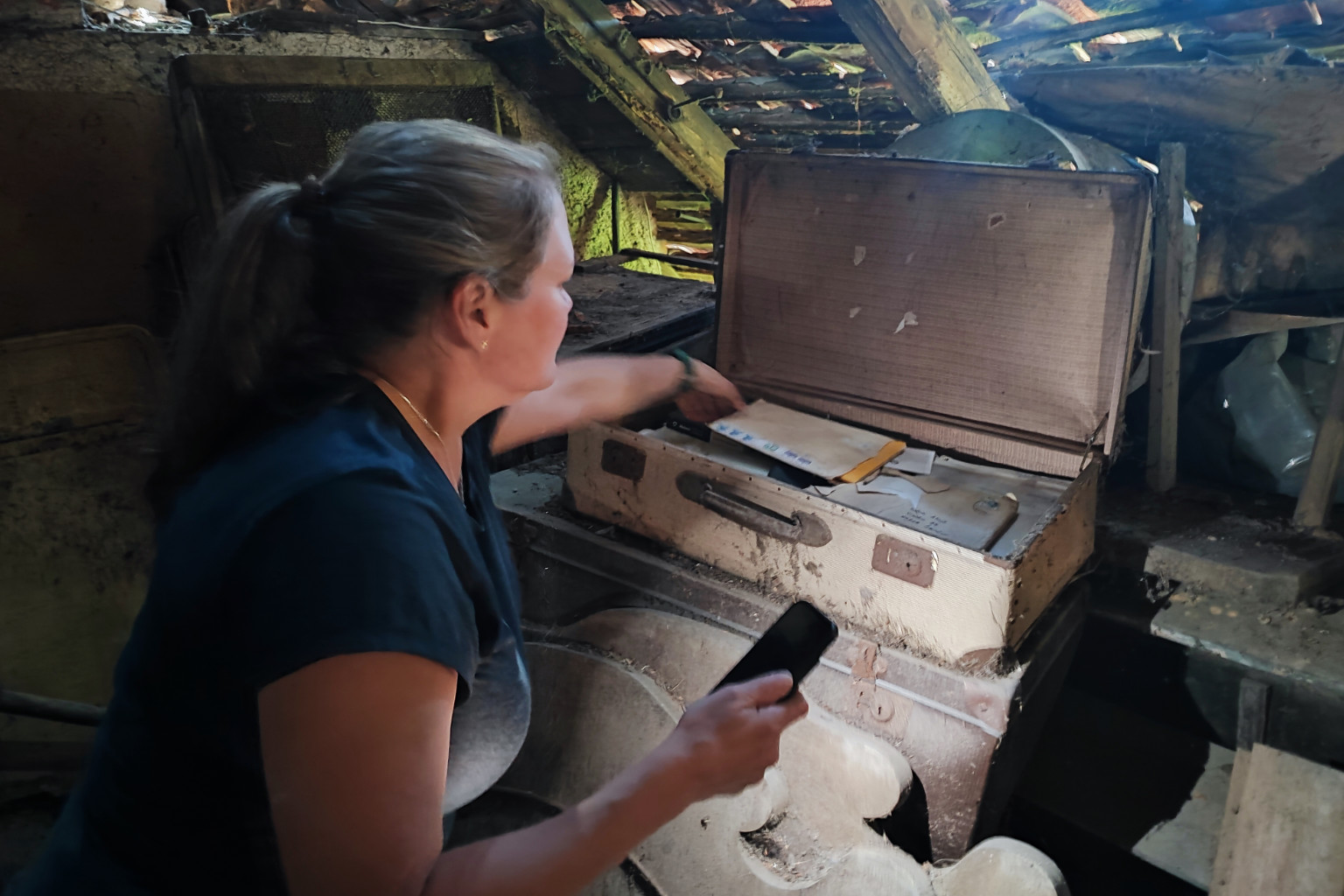
Pam explores the attic of a historic ancestral homestead, discovering letters, household objects, and other reminders of earlier generations.
Perhaps the most unexpected stop of the day was a visit to an ancestral homestead that was scheduled for demolition in the near future.
The house had preserved many original architectural features and objects from earlier generations, offering a rare glimpse into the everyday world of Slovenian rural life. Knowing that the building’s days were numbered made the visit particularly special.
In a generous gesture, the owner allowed Pam to take several historical objects from the house as keepsakes. These items, which had remained connected to the property for generations, will now continue their journey across the Atlantic as tangible reminders of family history.
For descendants seeking a connection with their roots, there are few experiences more meaningful than bringing home an object linked to the world their ancestors once knew.
Why Ancestral Tours Matter
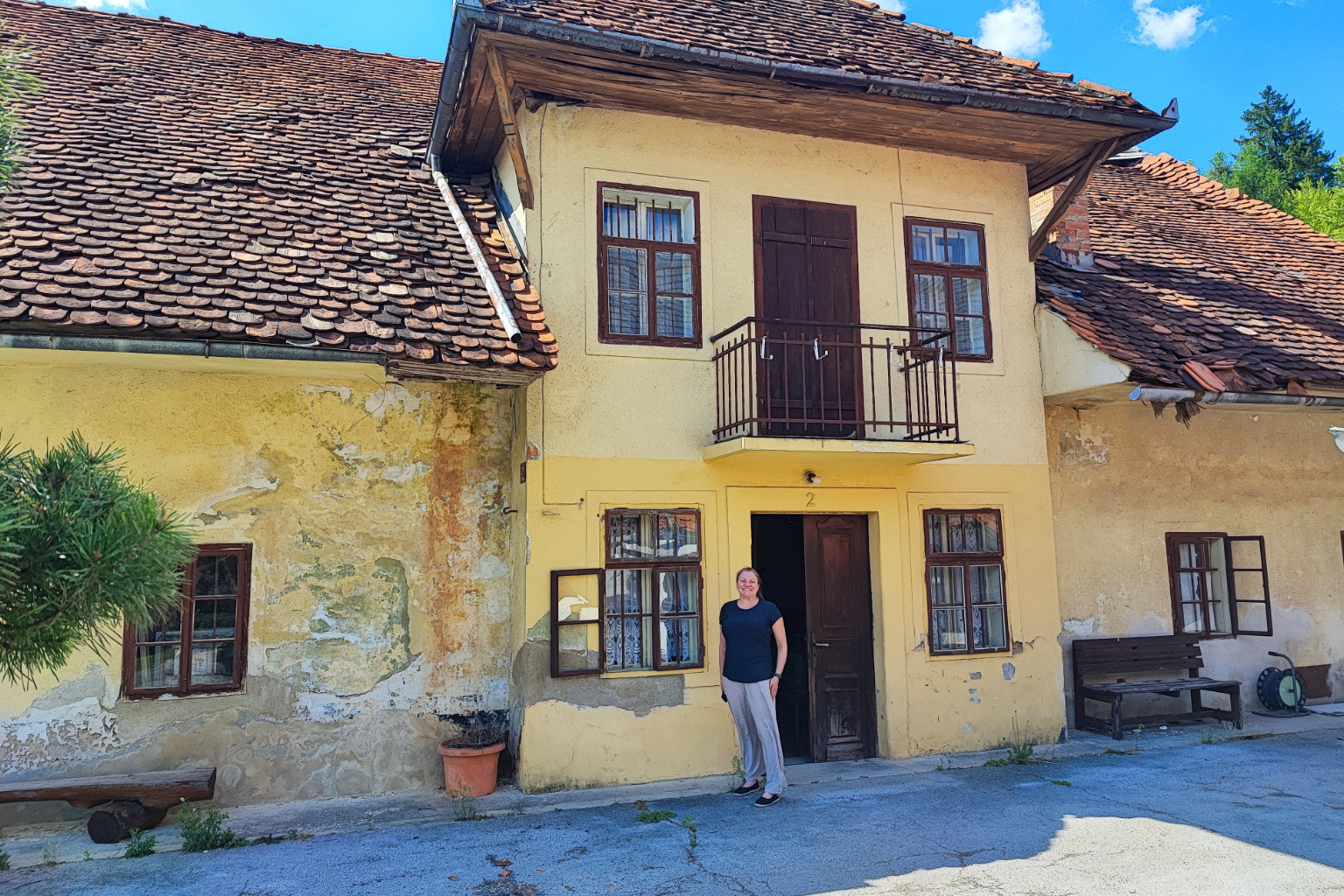
Pam visits the original Česen family homestead, a place closely connected to her ancestral roots in Slovenia.
Research can reveal where ancestors were born, married, worked, and lived. But visiting those places adds an entirely different dimension to family history.
An ancestral tour allows descendants to:
walk through ancestral villages,
meet distant relatives,
identify historic family homes,
visit churches and cemeteries,
and experience the landscapes that shaped their family’s story.
For Pam, the journey through Dob, Naklo, and Polica was much more than sightseeing. It was an opportunity to transform historical records into personal memories and to reconnect with places that had remained part of her family’s story for generations.
Conclusion
Every ancestral tour is different, but the most memorable ones often combine historical research with unexpected human connections. A meeting with relatives, the identification of a long-lost homestead, or the chance to preserve a small piece of history can turn a research project into a deeply personal experience.
For descendants of Slovenian emigrants, these journeys offer something that documents alone cannot provide: the opportunity to stand where their ancestors once stood and experience family history in a way that feels real, immediate, and unforgettable.